
What is Ai?
Artificial Intelligence
is not
intelligent
AI is a system that uses pattern recognition and mass amounts of data to imitate intelligence.
"The term AI should more accurately be referred to as advanced machine learning…AI is a marketing term for computing applications with diverse functions and varied consequences." (School of Public Policy)
“The widespread marketing of AI technologies has significantly contributed to the illusion that AI possesses genuine intelligence…Examples include advanced AI models such as GPT and autonomous systems, which are frequently marketed as ground-breaking innovations capable of human-level understanding and decision-making. However, in reality, these systems rely on cast amounts of data and pattern recognition rather than true comprehension.” (E. Opara 2025 p 5)
The Evolution of AI
1950s-60s
Present
1970s-80s
1990s-2000s
AI development began in the 1950s. These systems relied on predefined rules and symbolic representations which helped with identifying organic compounds. Symbolic AI could not, however, learn from new data and therefore relied on human supervision.
AI in the 1970s and 80s developed better systems that were better at processing things like language (ie. Siri’s ability to recognize what we say). During this time we see the introduction of larger datasets
From the 1990s throughout the 2000s we saw a shift from Symbolic AI to Machine Learning (ML) AI. These systems could recognize patterns and make predictions (ie. Text predictions on our phones and writing softwares). These new systems also assisted with better weather predictions and developed the first types of algorithms (ie. Netflix’s recommended page or your FYP on Tiktok).
2010s to present day is where we see the introduction of Generative AI. Modern systems have better prediction analytics and generate answers by pulling bits and pieces from the data it has access to. Generative AI is where today’s AI systems create a huge divide between past and present systems. The generation of images, videos, and text all include extremely large datasets.

An AI assisted search uses 10x more energy than a regular google search (According to chairmen of Alphabet, de Vries)

In 2023 ChaptGPT required 564 megawatts to run per day. (de Vries) This could power around 169,200 homes a day.


In the training process for ChatGPT, it required 1,278 megawatt hours of electricity, producing about 552 tons of carbon

1/4th of jobs are at risk of being replaced by AI and 2/3rd of jobs are at risk of being somewhat automated.

AI exacerbates privacy violations, as companies and governments initiate the collection of personal data without consent.

AI can reduce cognitive skills such as critical thinking, problem solving, and increases susceptibility to manipulation.
How We Can Speak Up.
Contacting Your Representative
Why you should
The representatives in the government work FOR YOU. Contacting a representative may be daunting so I've prepared some resources for you! To the right you can find links to all the resources you need to speak up about your concerns regarding AI (or anything at all!).
What to say
These letters/emails should be personable and appeal to what you care about most. I want you to include why this is important to you! The pre-written letters come in multiple varieties that are attuned to specific worries, so if you feel passionate about one over the others, you can write using that perspective. You can copy and and rework these letters as you please OR you can write your own! I've included some links on advice and guidance for writing your own letters.


Use this template to write a letter using your own voice!
Check with local representatives to see what they're doing about data centers in your community.
Knowledge is Power
Links to expand your understanding and help you fight back.

Track Activity in Congress
Website
Visual Depiction of AI's Impacts
Article


Video
ChatGPT made me delusional - Eddy Burkback

Information on Data Center Blockages


Hank Green's Perspective on AI's water usage.
Video
Website
Finland's Innovative Use of Heat from Data Centers
Article

Alaina Wood's Advice on Making your Voice Heard
TikTok
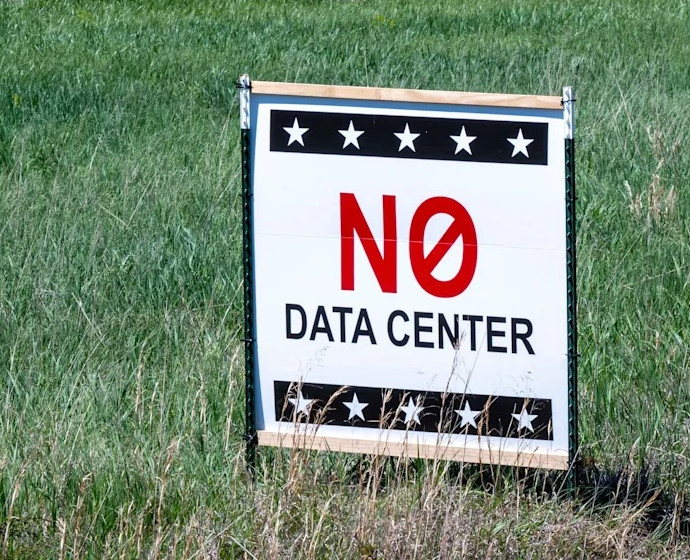
Maine Temporarily Bans Data Centers
Article

List of Sources Used
Document